


Quercetin is one of the most common flavonoids – natural plant compounds that give many fruits and vegetables their colour. It is part of an everyday diet, and it is also sold as an ingredient in food supplements. Here is a short overview.
What is quercetin?
Quercetin belongs to the flavonols, a group of polyphenols. Plants produce it in their skins and leaves. In food it is usually bound to sugars; in supplements it is often found as quercetin dihydrate.
Where is quercetin found in food?
- red and yellow onions, shallots and capers,
- apples (mostly in the skin),
- berries, dark cherries and blackcurrants,
- grapes, kale, broccoli and parsley,
- black and green tea.
A varied diet with plenty of fruit and vegetables is the simplest way to include flavonoids in your meals.
Quercetin in food supplements
Quercetin is often combined with vitamin C. There is no authorised health claim for quercetin itself in the EU, so a label can only describe the amount it contains. The claims on such products refer to vitamin C: vitamin C contributes to the normal function of the immune system and to the protection of cells from oxidative stress.
What to check on the label
- how many milligrams of quercetin and vitamin C are in the daily dose,
- how many capsules make a daily dose and how many days a pack lasts,
- the full list of ingredients, including the capsule shell.
Do not exceed the recommended daily dose. If you are pregnant, breastfeeding or taking medicines, ask your doctor or pharmacist before using food supplements.
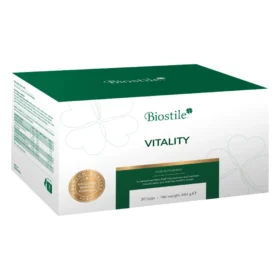
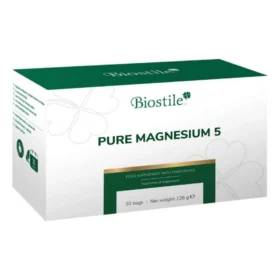
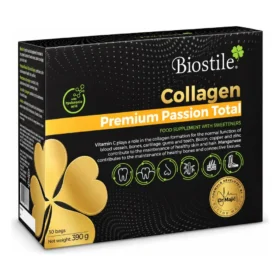
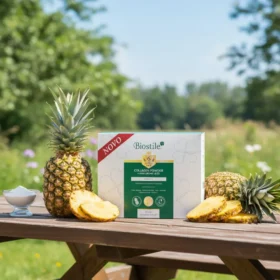
You can find Biostile vitamin C products in the category Vitamins and minerals.
Food supplements are not a substitute for a varied and balanced diet and a healthy lifestyle. This article is for information only and does not replace advice from a doctor or pharmacist.